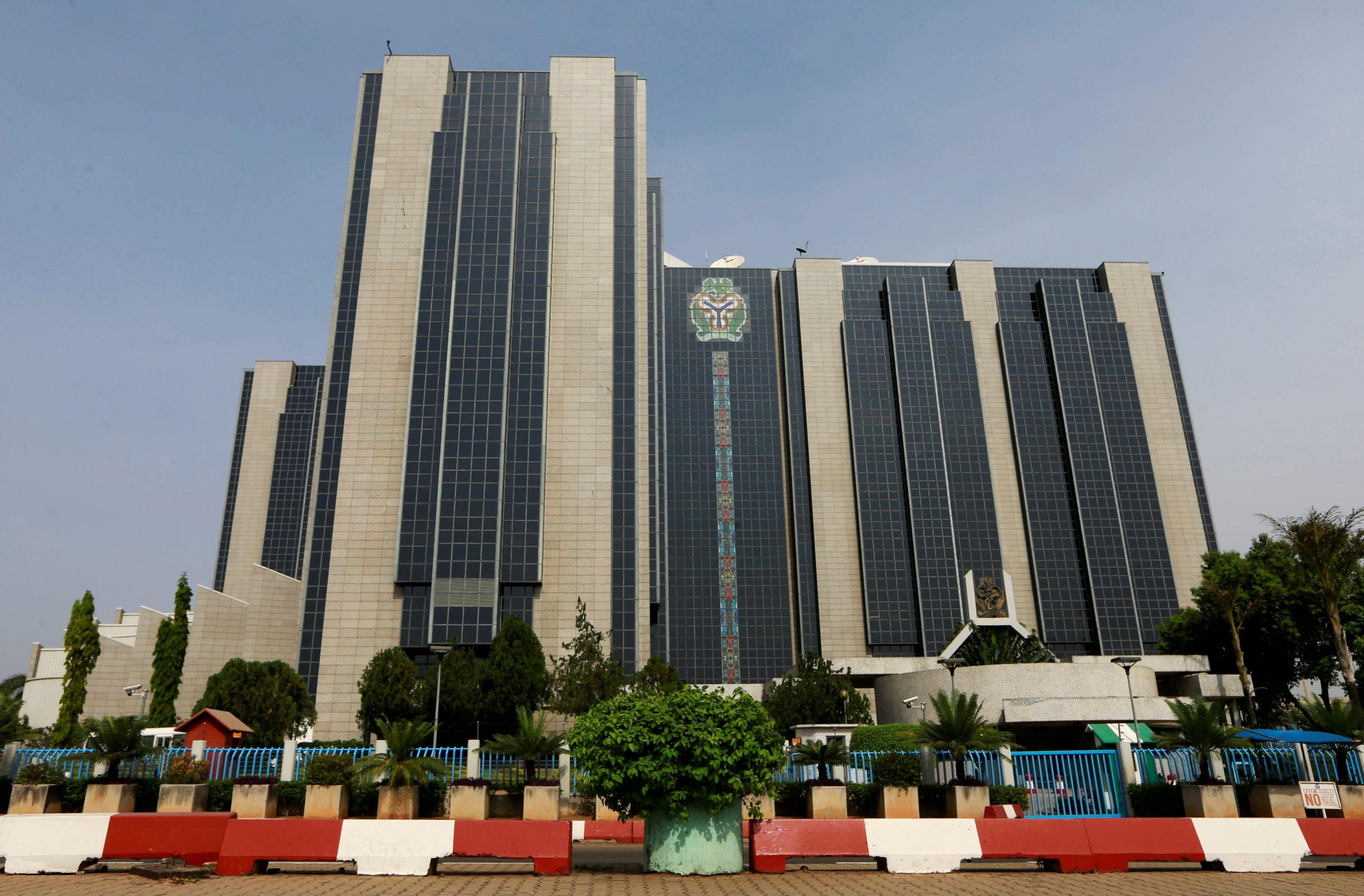
Nigeria’s banking industry is becoming less dependent on physical locations, with new Central Bank of Nigeria data showing that 476 bank branches and cash centres disappeared nationwide within three years.
Figures from the CBN’s 2025 Statistical Bulletin for the Financial Sector show that banks operated 5,410 branches and cash centres in 2022. By 2025, that figure had dropped to 4,934.
That represents an 8.8% contraction in the country’s physical banking network between 2022 and 2025.
The decline comes as Nigerian consumers increasingly conduct everyday transactions through mobile banking applications, transfers, USSD, ATMs, POS terminals and other electronic payment channels.
Most closures happened in 2024 and 2025
The contraction initially happened slowly.
Nigeria had 5,410 bank branches and cash centres in 2022 before the figure declined by 37 to 5,373 in 2023.
The reduction became considerably sharper afterwards.
The number fell to 5,144 in 2024 — a net reduction of 229 locations in one year — before another 210 disappeared in 2025.
This means approximately 92% of the net reduction recorded over the three-year period occurred during 2024 and 2025.
The CBN figures cover locations operated by commercial, merchant and non-interest banks, with data sourced from the apex bank and the Nigeria Deposit Insurance Corporation.
Interestingly, the physical contraction occurred even though the number of banks operating in Nigeria initially increased.
There were 32 banks in 2022, 33 in 2023 and 35 in 2024 before the number declined to 34 in 2025.
Lagos loses 158 banking locations
Lagos recorded the country’s largest reduction by number.
The state had 1,602 branches and cash centres in 2022, falling to 1,532 in 2023 and 1,521 in 2024.
By 2025, the figure had dropped to 1,444.
That means Lagos lost a net 158 banking locations in three years, equivalent to approximately 9.9% of its 2022 network.
Despite the closures, Lagos remained Nigeria’s dominant banking centre, accounting for roughly 29% of all branches and cash centres nationwide in 2025.
Abuja, Ekiti, Enugu and Oyo record declines
The Federal Capital Territory also experienced a contraction.
Abuja had 400 locations in 2022 and 2023 before falling to 391 in 2024 and 362 in 2025 — a net reduction of 38 locations.
Ekiti experienced an even more dramatic proportional decline.
Its network dropped from 107 locations in 2022 to just 57 in 2025, representing a 46.7% reduction.
Enugu fell from 162 to 118, while Oyo declined from 237 to 196.
Ondo, Plateau, Osun, Cross River and Rivers were among other states that ended the period with fewer physical banking locations.
Kano and Kaduna initially expanded their networks before experiencing sharp declines in 2025.
Kano moved from 164 locations in 2022 to 183 in 2024 before falling to 157 in 2025.
Kaduna followed a similar trajectory, rising from 148 in 2022 to 164 in 2024 before dropping to 146 the following year.
Some states gained bank locations
Not every state experienced closures.
Delta increased from 173 banking locations in 2022 to 196 in 2025, adding 23.
Edo increased from 155 to 165, while Jigawa rose from 31 to 37 and Kogi from 63 to 68.
The CBN figures also highlight the significant gap in access to physical banking infrastructure across Nigeria.
While Lagos had 1,444 locations in 2025, Yobe had only 23, Taraba 26 and Zamfara 28. Bayelsa and Gombe recorded 31 each, while Ebonyi had 32.
Is Nigeria moving away from physical banks?
The figures come as financial institutions continue investing in electronic banking and customers increasingly carry out transactions without entering a banking hall.
The CBN has also encouraged wider adoption of alternative payment channels as part of efforts to increase access to financial services.
This is particularly important for farmers, traders, small businesses and informal-sector operators who may have limited access to conventional bank branches.
The decline in branches therefore points to a broader transformation within Nigerian banking.
What do you feel about this post?

Like

Love

Happy

Haha

Sad